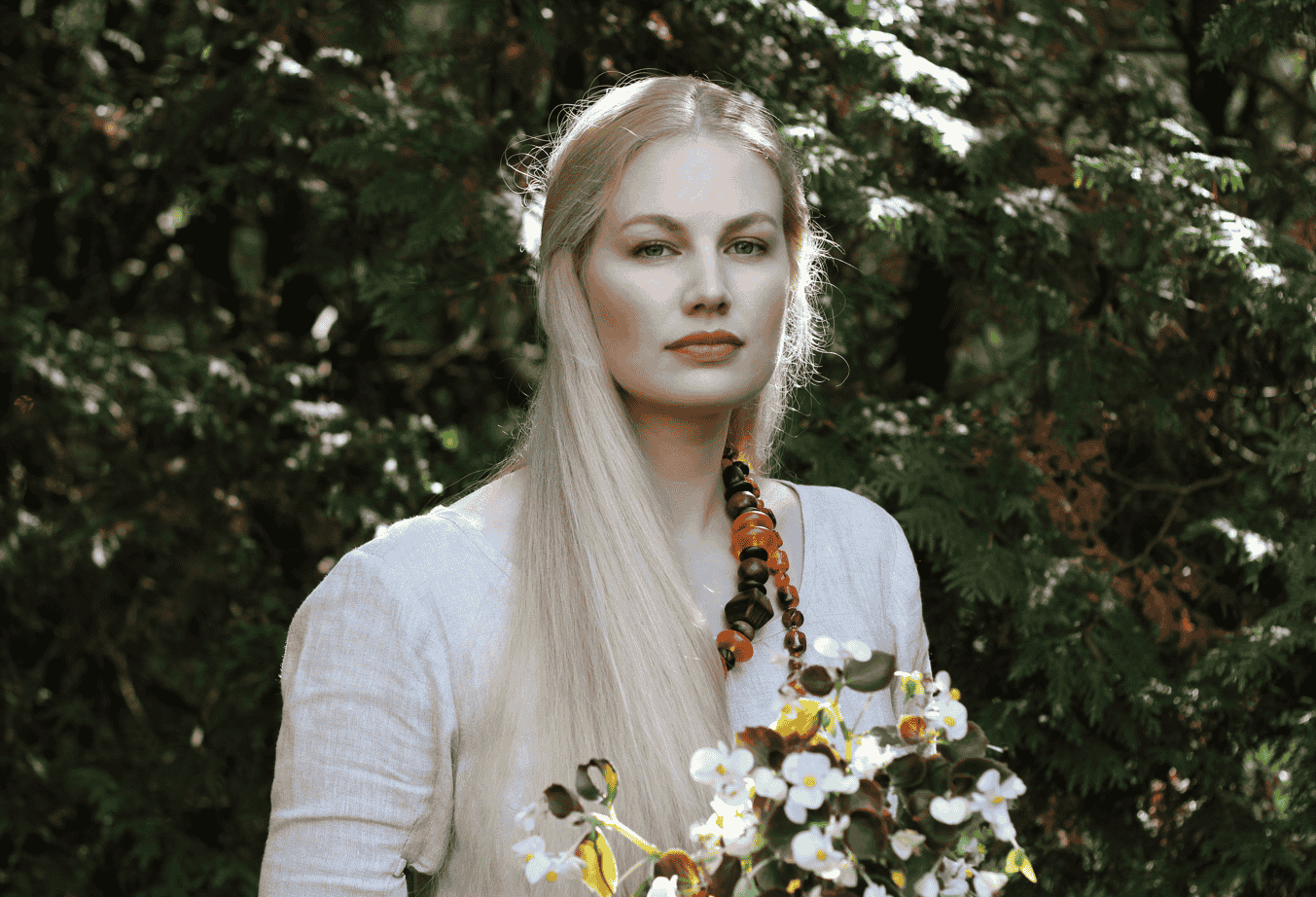
The world of filmmaking is vast and varied, but the essence of storytelling remains a universal thread that binds audiences and creators alike. Helen Tsefala and Elen Bogri, the minds behind the emotionally resonant film “Opposite the Sunrise,” share a profound connection to the art of storytelling. In an exclusive interview with the Indo Dubai International Film Festival (IDIFF), they delve into their inspirations, challenges, and future projects, offering insights into their creative processes and the impactful stories they strive to tell.
What initially sparked your interest in filmmaking, and how did you begin your journey in the industry?
For Helen Tsefala, storytelling was an intrinsic part of her upbringing. “Stories have a magical way of connecting people and sparking our imagination,” she reflects. “Growing up in a family where storytelling was a cherished tradition, I was surrounded by captivating tales that stirred my imagination.” From the bedtime stories narrated by her parents to the war-time tales shared by her grandparents, these narratives weaved a rich tapestry of reality and fantasy. “As a child of migrants, I was exposed to migration stories of extraordinary courage, resilience, and strength, but also struggle, despair, and injustice,” she adds. Her background in theatre and a PhD in Theatre Studies and Dramaturgy naturally led her to filmmaking, where she could explore characters and transform stories on a grander scale.
Elen Bogri’s passion for filmmaking ignited at the tender age of twelve during her first film shoot. “I was amazed by the filmmaking process,” she recalls. “It felt so magical to watch people create a whole new world, from actors who would literally swap behaviours and emotions instantly to directors who had a clear vision about every single thing.” This early exposure cemented her desire to pursue filmmaking as a career.
“Opposite the Sunrise” carries a profound emotional resonance. Can you share the inspiration behind the film and what motivated you to tell this particular story?
“Opposite the Sunrise” is a film that delves deep into the themes of loss and grief. Helen explains that the inspiration behind the film is rooted in the universal truth of loss. “All the characters in the film experience grief, which is described as a mental wound that heals gradually, slowly, and leaves scars,” she says. The film seeks to explore the phenomenon of death and the relationship between the living and the dead, touching on philosophical and existential inquiries that have intrigued humanity for centuries.
Elen offers a personal perspective, emphasising the portrayal of oppressed individuals within the story. “Our story is about oppressed people who have had problems in their life and ended up feeling that they shouldn’t talk to anyone about them,” she explains. “Some of our characters try to open up to their families but never get heard. That’s why when the tunnel scene occurs, all of them get their redemption, because they finally get to talk.” Elen hopes the film shows that everyone, visible or not, can experience sadness, and that’s okay.
As a filmmaker, what challenges did you encounter during the production of “Opposite the Sunrise,” and how did you overcome them?
Every filmmaker faces challenges, and “Opposite the Sunrise” was no exception. Helen highlights the difficulties of time and funding but notes that the primary challenge was creating a poetic and meaningful film. “It required a delicate balance of creativity, storytelling, and technical execution,” she says. The team focused on developing a compelling plot, meaningful dialogue, and captivating scenes, paying attention to subtext and symbolism.
For Elen, time was the most significant challenge. “When you have a movie with many actors, having them all together can be difficult,” she notes. Coordinating schedules for everyone involved in the project was frustrating, but a well-organised schedule and close locations helped manage this issue.
“Opposite the Sunrise” has garnered critical acclaim and positive reception. How does this recognition impact your approach to future projects and your overall journey as a filmmaker?
The positive reception of “Opposite the Sunrise” has been a pivotal moment for both filmmakers. Helen believes that such recognition validates her artistic choices and boosts her confidence. “Critical acclaim and positive reception validate my artistic choices and storytelling abilities,” she says. This recognition opens doors for potential opportunities in funding, distribution, and partnerships, encouraging her to create socially impactful content.
Elen emphasises the importance of participating in film festivals and receiving feedback. “You should always participate in festivals and send your movie around the world for people to see,” she advises. Hearing audience feedback provides invaluable insights that can inform future projects.
Can you elaborate on your creative process and approach to storytelling? Are there any specific techniques or influences that inform your filmmaking style?
Helen and Elen’s approach to filmmaking is deeply collaborative. Helen underscores the importance of surrounding oneself with passionate and skilled individuals who share the same vision. “We allowed room for our actors for improvisation and spontaneity during filming,” she says. This openness often led to unexpected poetic moments. The dedication of their team, including the contributions of film editor George Georgopoulos and the talented actors, played a crucial role in the film’s success.
Elen describes their filmmaking style as simple yet effective, using mostly immobile shots to ensure the audience could keep up with the plot. “We wanted the audience to be able to keep up with the plot because there are a lot of things happening in only 20 minutes,” she explains. The use of movement and drone shots was reserved for scenes where it truly mattered.
As an independent filmmaker, what role do you believe film festivals play in promoting and showcasing diverse voices and stories?
Helen views film festivals as pivotal for independent filmmakers. “Film festivals serve as pivotal resources for career building and gaining exposure,” she says. Festivals celebrate the diversity of films, providing a platform for underrepresented voices and connecting filmmakers with potential distributors and industry professionals.
Elen echoes this sentiment, highlighting the global reach of film festivals. “How amazing to think that a movie shot in Greece can be watched by people in India or America?” she muses. Festivals also foster creative conversations and potential collaborations, building a supportive community for aspiring filmmakers.
Looking back on your journey with “Opposite the Sunrise” and beyond, what advice would you offer to aspiring filmmakers who are just starting out?
 Reflecting on their journey, both filmmakers offer valuable advice for those just starting. Helen emphasises the importance of understanding the entire filmmaking process and balancing creativity with practicality. “Filmmaking can be challenging, but persistence pays off,” she says. Building positive relationships and treating everyone with respect are crucial aspects of the collaborative process.
Elen stresses the importance of clarity in vision and knowledge of different departments. “You are the one that has to explain the whole vision to the team,” she advises. Finding co-workers who believe in the project and fostering a positive atmosphere on set are key to a successful production.
What new projects are you working on at present? When can we expect to see your next film?
Helen is involved in theatre, teaching creative writing, and completing her post-doctorate research on Migrant Theatre in Australia. She and Elen are also seeking a producer for a 12-episode mini-series they have written, based on intergenerational conflicts and social clashes. Additionally, Helen is writing a script about a historical and social scandal between Greece and the USA post-Greek civil war.
Elen, on the other hand, is planning a thriller with supernatural elements. “I love the idea of creating images that wouldn’t exist in the real world,” she says. She hopes to start production before the end of 2024.
The Indo Dubai International Film Festival (IDIFF) continues to support filmmakers like Helen Tsefala and Elen Bogri, providing a platform for diverse voices and stories. Through festivals and interviews, IDIFF fosters a global community of filmmakers, encouraging creative exchanges and collaborations. Stay tuned for more interviews and insights from the world of cinema, as IDIFF champions the art of storytelling across cultures and continents.