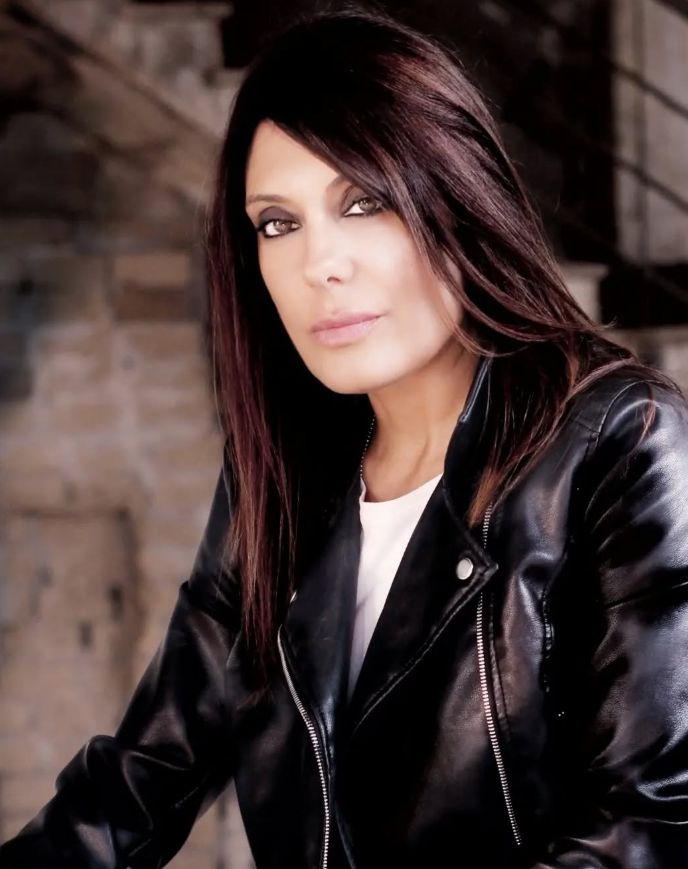
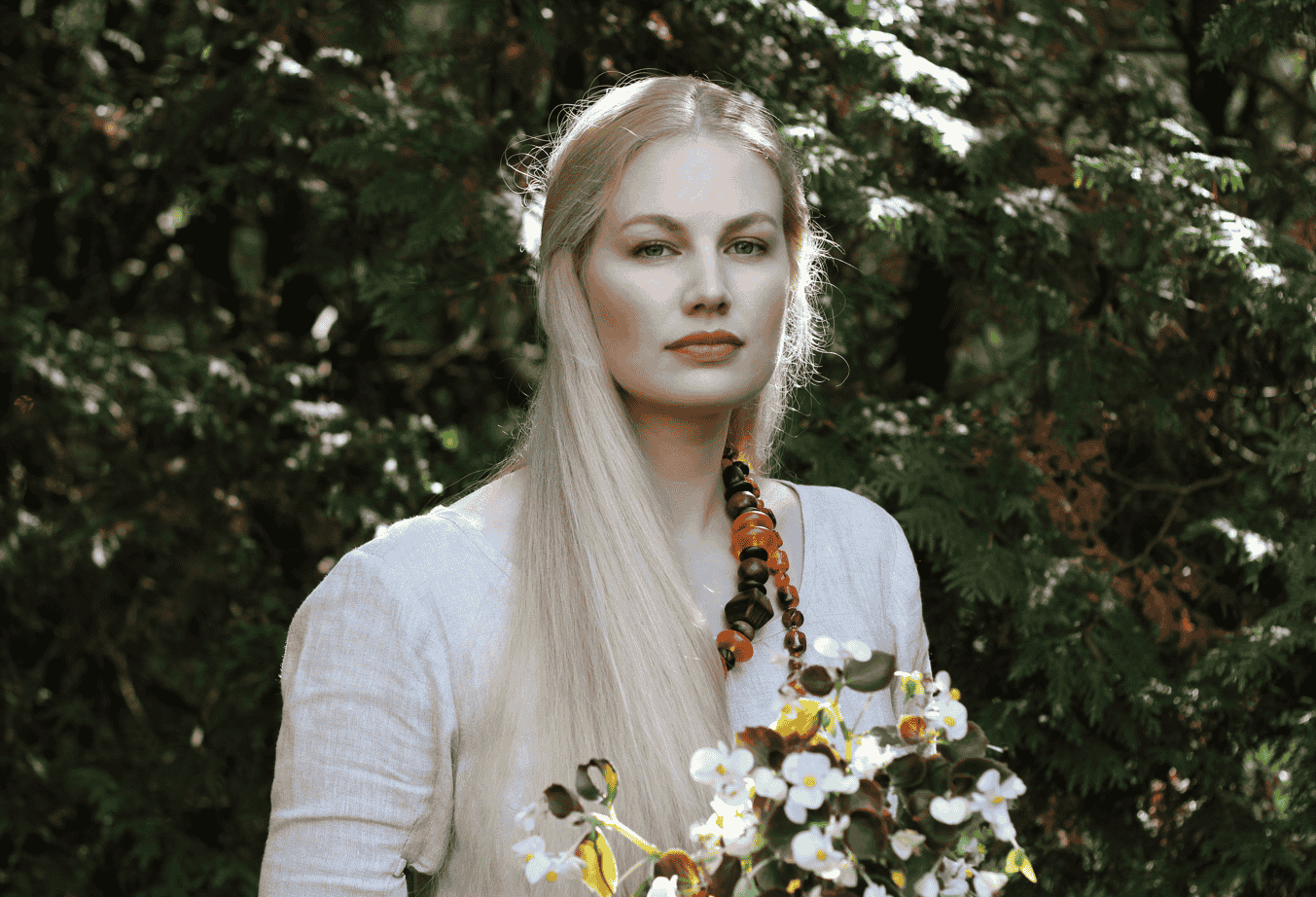
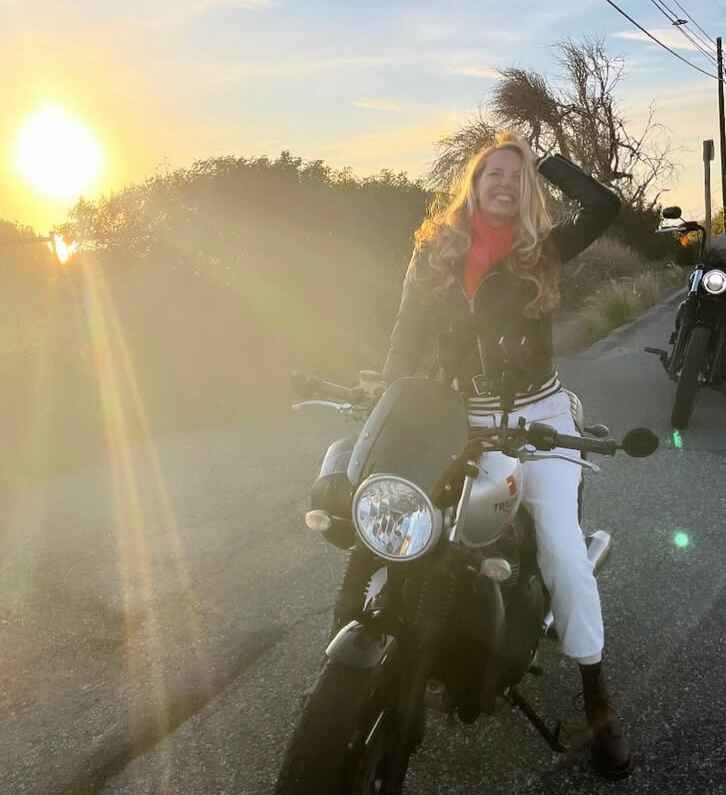
Angela’s short film, ‘Small Things’, brings together humor, tension, and an introspective look into daily anxieties through the story of Sarah, a young artist whose internal struggles amplify the small irritations of daily life. Rooted in the familiar yet seldom-discussed experience of anxiety, ‘Small Things’ captures the disquieting power of seemingly mundane worries, examining how we can all too easily let them consume us. Angela’s film is an artistic reflection on these universal human experiences, with a message that encourages us to find humor and perspective amidst life’s chaos.
The inspiration behind ‘Small Things’, as Angela explains, came from her observations of how “minor irritations and daily anxieties can control us.” For Angela, humor was key to making these moments relatable and engaging. “Life’s ‘small things’ can feel overwhelming when they pile up, and humor can be a great way to cope with them,” she says, sharing how blending dark comedy with psychological tension allows her to illustrate the ease with which minor occurrences can spiral into larger emotional struggles.
The film follows Sarah, a 25-year-old artist who lives in a world dominated by her anxieties, allowing Angela to delve deeply into Sarah’s complex psyche. Angela notes that Sarah’s character is a mix of traits she’s seen in others, as well as aspects of her own experiences with anxiety. “Sarah is introspective and sensitive, making her feel the weight of daily challenges more deeply. I wanted her to be someone viewers could identify with, especially those who experience anxiety and the constant feeling of being overwhelmed,” Angela explains. Sarah’s exaggerated reactions to minor disturbances mirror the feelings many people have but rarely express outwardly, offering a reflection of the internal battles that are often part of daily life.
To capture Sarah’s inner turmoil, Angela decided to use voiceover narration in place of dialogue, focusing on her internal monologue to drive the narrative. “I wrote her thoughts as if they were a conversation she has with herself,” she says, describing this approach as essential to shaping the film’s tone. This lack of dialogue invites the audience directly into Sarah’s mind, giving viewers a firsthand experience of her anxieties and frustrations. By emphasizing Sarah’s inner world, the film creates a more intimate portrayal of her character, with audiences experiencing each fear and worry as if it were their own.
The choice to set most of the story within Sarah’s home also adds to this sense of confinement and isolation. Angela shares that this small space was a natural fit for Sarah’s world, where her limited surroundings mirror her restricted emotional freedom. “Filming in a confined space presented challenges, but it also pushed me to be creative with angles and movements,” she says. “The small setting reflects Sarah’s emotional state, making her feel trapped within her own life.” Angela’s creative use of space amplifies the tension, making Sarah’s small apartment feel like a reflection of her psychological struggle.
Sound design is another essential aspect of ‘Small Things’ that intensifies the audience’s experience of Sarah’s anxieties. Angela used subtle, eerie sounds alongside familiar noises to create a mix that heightens Sarah’s sense of unease without overwhelming the viewer. “The sound design balances tension with a sense of absurdity,” she explains, noting that ordinary sounds like creaks and distant noises become distorted through Sarah’s anxious perspective. This contrast keeps the audience both anxious and amused, mirroring the often ridiculous ways in which our own minds exaggerate small fears.
Angela’s decision to end the film with a twist highlights the film’s underlying message: many of our fears are self-created and blown out of proportion. She describes this surprising conclusion as a way of “driving home the message of perspective.” The twist reminds viewers that while Sarah’s experiences feel overwhelming, her fears were not as significant as they seemed. Angela hopes this ending will encourage audiences to reframe their own anxieties, recognizing that life’s small annoyances don’t have to control them.
For Angela, ‘Small Things’ is as much about exploring humor as it is about addressing psychological depth. Drawing inspiration from filmmakers like Yorgos Lanthimos, who often blend discomfort with humor, she notes that dark comedy allows her to show the absurdity of Sarah’s fears without downplaying their emotional impact. “By blending humor with Sarah’s fears, I hoped to create an emotional rollercoaster,” she shares. “Anxiety can look ridiculous from an outside perspective, and I wanted to highlight that tension between fear and humor.”
Reflecting on her own journey, Angela shares that her diverse background in acting, fine arts, and criminal justice has deeply influenced her storytelling approach. “Acting has helped me understand the psychological layers of a character like Sarah,” she says, while her experience with fine arts has shaped her approach to visual storytelling. Angela’s unique combination of skills enables her to delve into the complexities of her characters’ emotional worlds, creating stories that resonate with depth and authenticity.
With ‘Small Things’, Angela presents an engaging blend of dark humor and psychological insight, inviting audiences to examine their own lives through Sarah’s exaggerated, comically unsettling journey. The film encourages viewers to confront their anxieties with humor and find balance in life’s inevitable chaos, reminding us that, sometimes, the smallest things are best left as just that: small.